
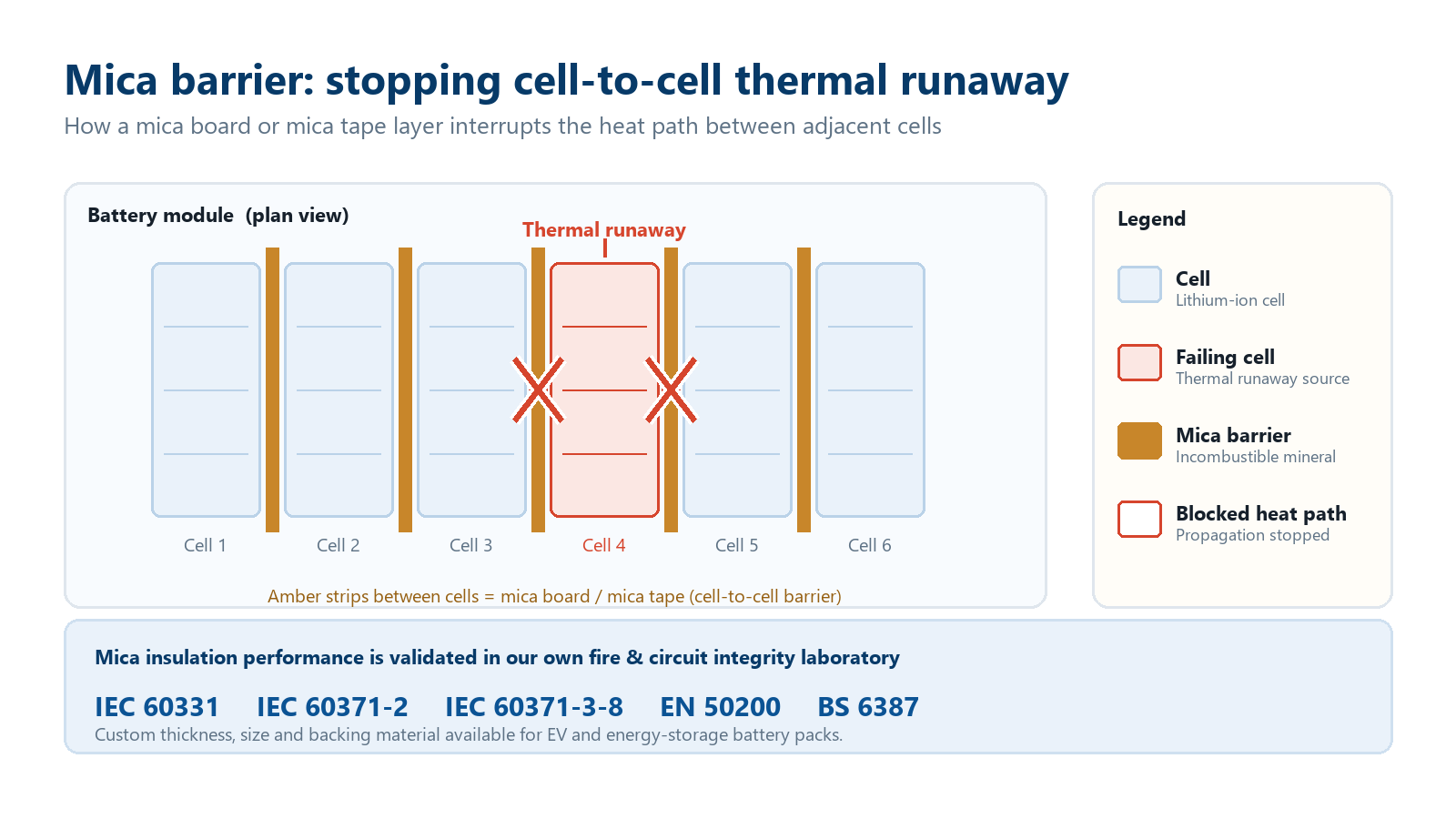
In an electric vehicle, the battery pack concentrates a large amount of energy in a small space. If a single cell fails and goes into thermal runaway, the priority is to stop that heat from reaching neighbouring cells. Mica insulation is one of the few materials that can sit in that path and keep working: it is incombustible, withstands temperatures far beyond those of polymers, and retains dielectric strength under fire.
YT MICA supplies mica insulation parts for battery packs, modules and high-voltage connections, developed with new-energy vehicle and energy-storage manufacturers.
Stopping cell-to-cell thermal runaway
A mica board or mica tape layer sits between adjacent cells and interrupts the heat path before propagation can start.
Our EV insulation parts, up close
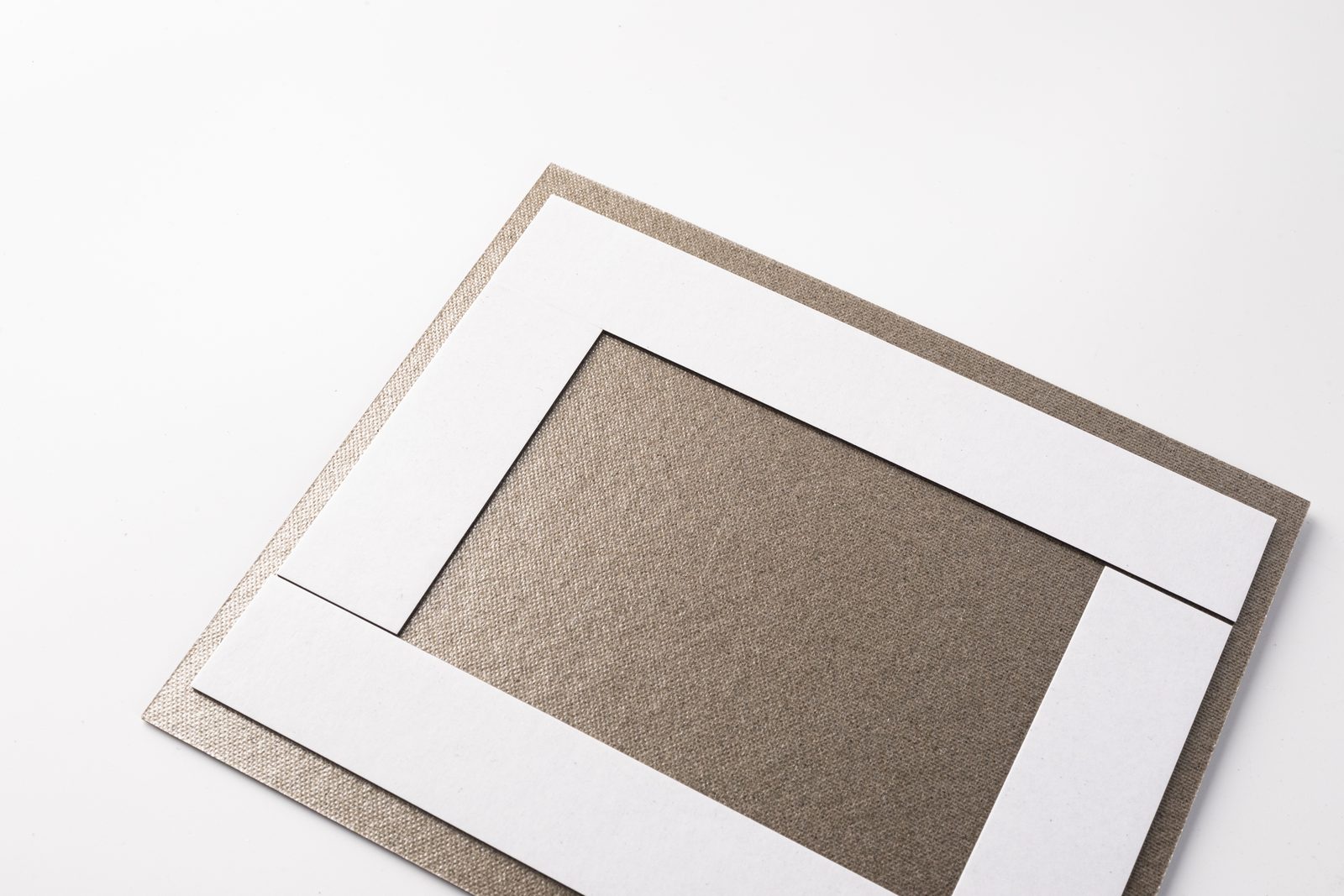
EV mica insulation parts
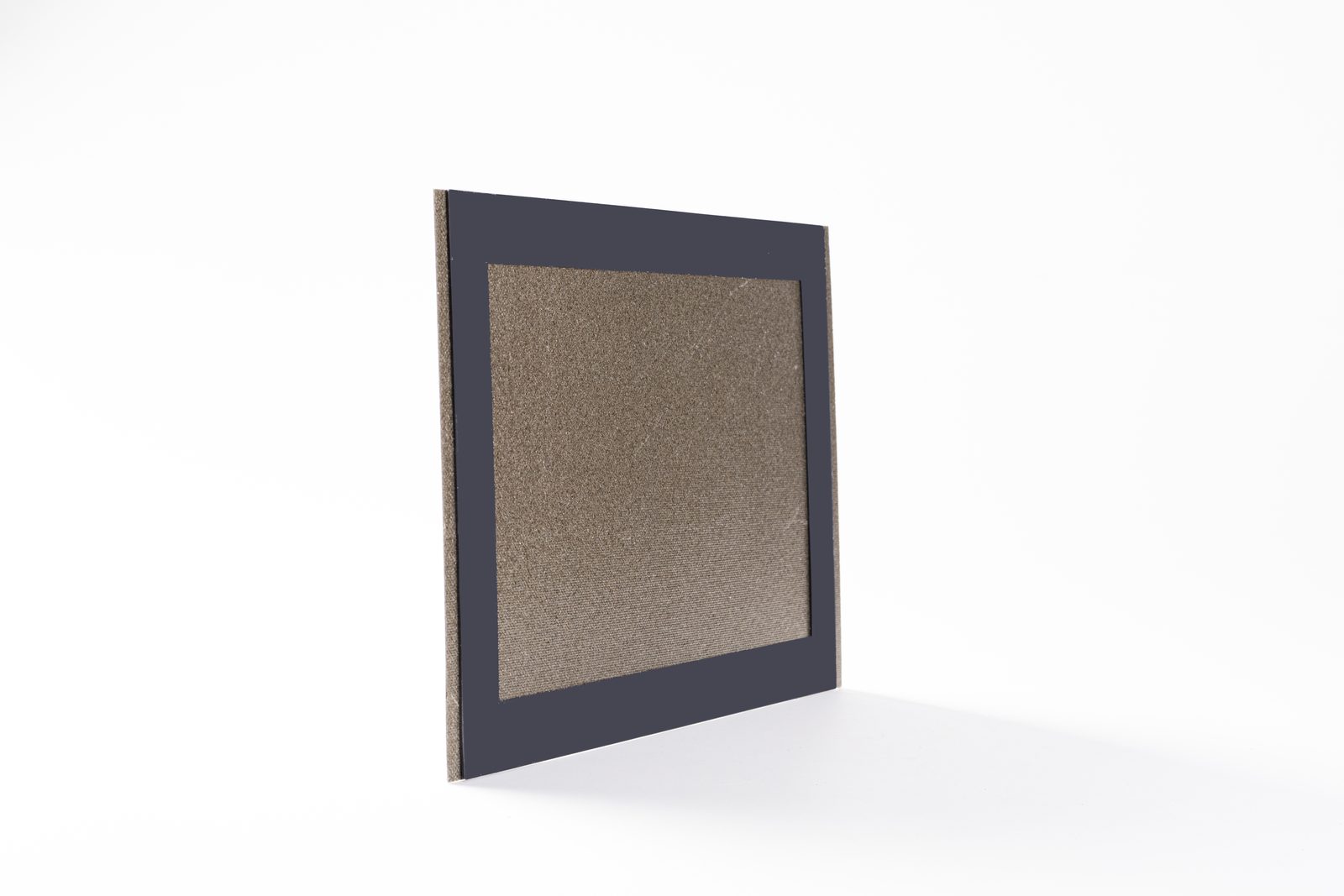
Insulation parts — detail
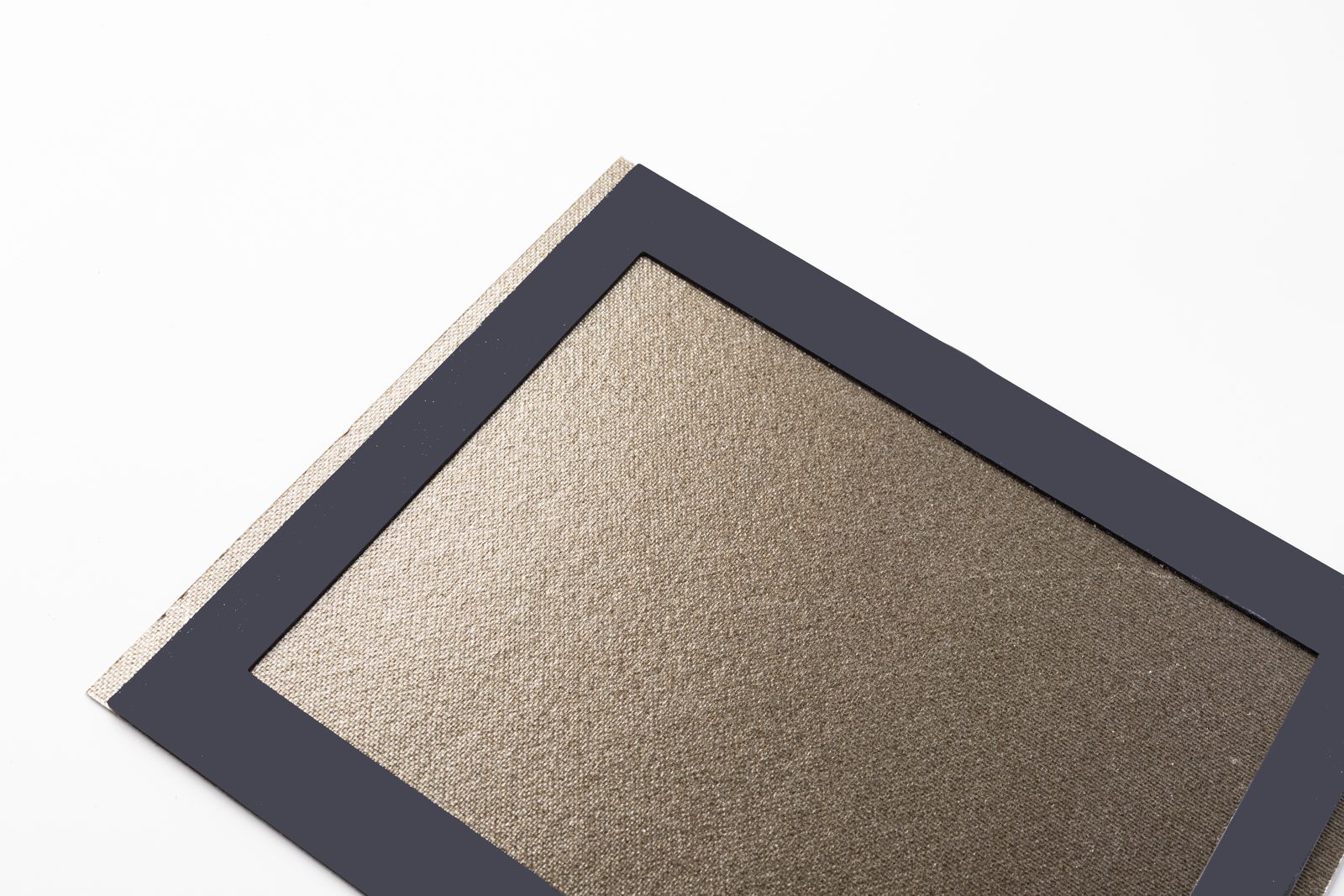
Insulation parts — detail
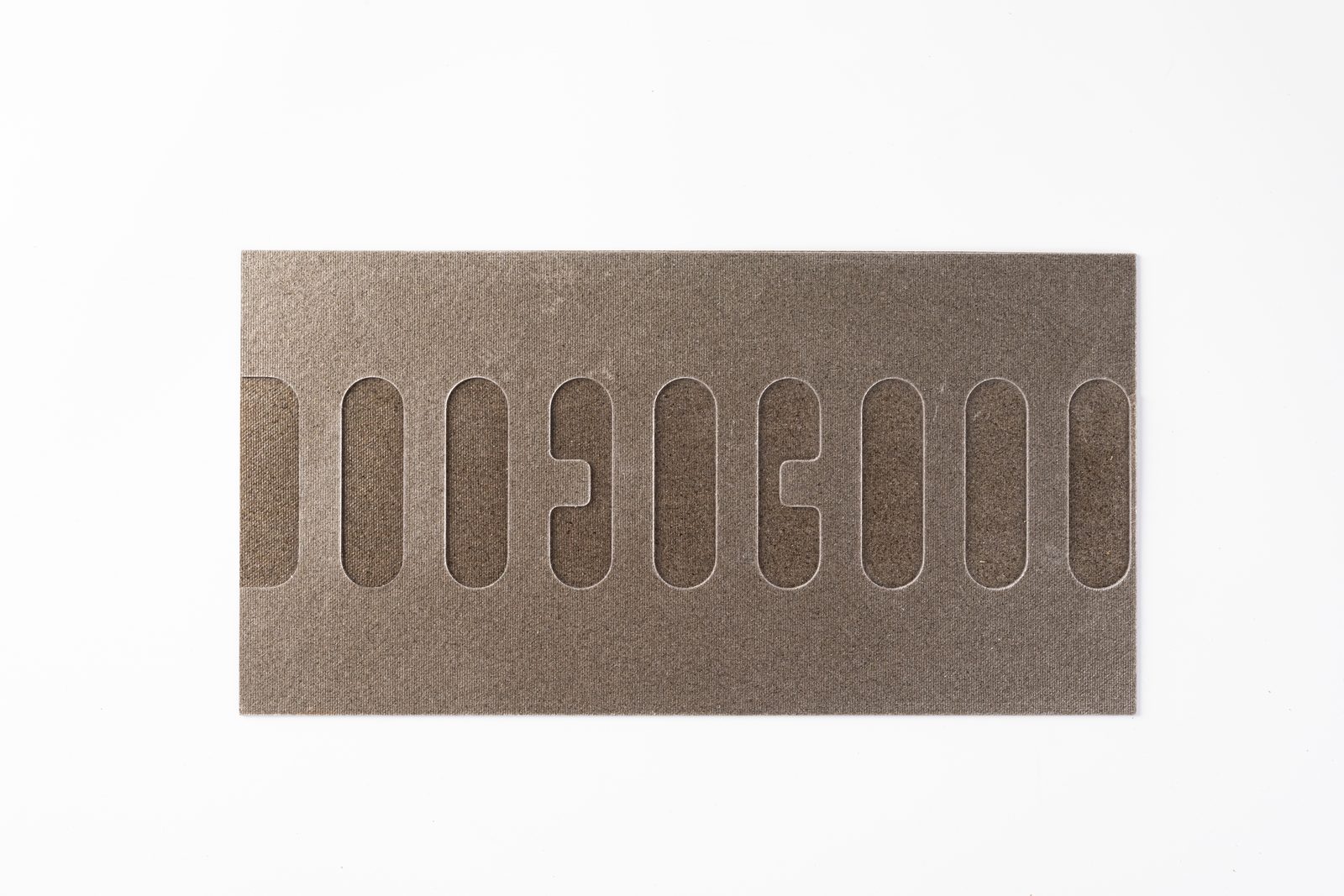
Fireproof mica board for battery packs
Where mica insulation protects a battery system
Cell & Module Insulation
Mica barriers between cells and modules that resist heat spread between adjacent components.
Pack Enclosure Barriers
Formed insulation plates that separate the battery pack from the passenger compartment.
Busbar & Connector Insulation
Mica washers and spacers that insulate high-voltage interconnects while resisting heat.
High-Voltage Harness Protection
Mica tape wrapping that resists corona and partial discharge in high-voltage cable runs.
Thermal Runaway Barriers
Incombustible mica layers that delay the propagation of heat between modules.
BMS Insulation Parts
Precision mica components for battery management system connections and sensing lines.
A mineral barrier against thermal runaway
Polymers soften, melt or burn. Mica does not. In the temperature range created by a failing cell, a mica barrier remains a solid inorganic layer and continues to insulate.
- Incombustible. Mineral-based material that does not propagate flame.
- High-temperature stability. Retains structure where polymers fail.
- Dielectric strength. Insulates high-voltage conductors under fire conditions.
- Halogen-free. Chemically neutral, low smoke and toxic-gas emission.
- Light and thin. Contributes protection without significant mass penalty.
Developing a battery pack?
Talk to our engineers about mica insulation for cell, module and pack level protection.